
I come from a world where hope was scarce.
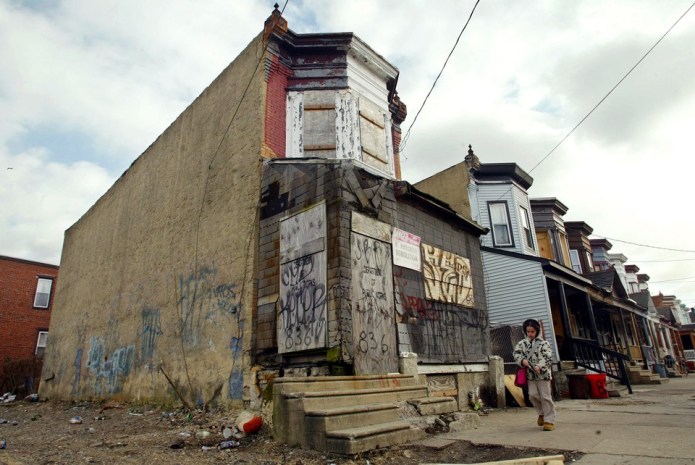
Raised in Detroit’s Jeffries Projects, my family consisted of five children crammed into a two-bedroom apartment with a single mother addicted to alcohol. My father was absent, and the revolving door of my mother’s abusive boyfriends created an environment where survival depended on learning how to cope with pain.
Child Protective Services became a constant presence in my life. I saw my two older sisters become teenage mothers and be cast out of our home. Without a male role model, my understanding of love, masculinity, and life was shaped by the streets.
I learned early on that alcohol could numb my reality. The chaos and instability led me to a life of juvenile detention, influenced by the only examples I had—those of violence, addiction, and brokenness. In 1994, my choices led me to prison, where I served nearly five years. Released without rehabilitation, I returned to the same self-destructive patterns, relying on drinking and falling deeper into a cycle of misuse.
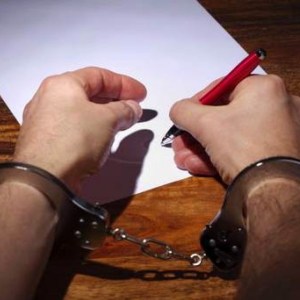
At the age of 23, my life took a darker turn. I took the life of Mr. Willie Ennett, and for that, I was sentenced to life in prison. Incarcerated, I remained stuck in the same dysfunctional mindset that had shaped me since childhood.
For years, I immersed myself in gambling, drinking, and drugs, all in an attempt to avoid the painful reality of my existence. It wasn’t until 2005 that I experienced a moment of clarity, not through the guidance of a person or faith, but through an unexpected source: a dog.
I was given a job working with abused racing dogs. These dogs, like me, had suffered. They were fearful, uncertain, and hesitant to trust. In them, I saw a reflection of my own brokenness.
Slowly, as I worked with them, I began to realize the depth of the harm I had caused—not just to Mr. Ennett but to everyone who had ever crossed my path. The dogs allowed me to confront my actions in a way that no person or institution had ever been able to. In their vulnerability, I saw my own, and for the first time, I began to truly understand the impact of my choices.
That moment of clarity ignited a hunger for change within me. I sought out programs that would challenge my thinking and push me toward growth. I completed two tiers of Chance for Life, Houses of Healing, and a leadership course. I paid for correspondence classes through The Center for Substance Studies, earned a trade in Horticulture Technology, and took business classes. I trained dogs for nearly ten years and found solace and purpose in helping them heal.
Education became my lifeline. I was accepted into Calvin University, where I am on track to graduate in May 2025. I work as a writing center consultant, helping other students develop their skills, and I lead the Restorative Justice Club. In my role as a certified observation aide, I work with mentally challenged inmates who are contemplating suicide, offering them a lifeline during their darkest moments. I also raise puppies for Leader Dogs for the Blind, giving back to the community in any way I can.
Additionally, I’ve published a three-volume book series aimed at preventing young people from falling into the same prison culture that once trapped me. My writing is featured on inmateblogger.com, where I share stories of hope and redemption.
I rehabilitated myself while serving a life sentence. I often reflect on the contradiction inherent in our justice system: we send people to prison as punishment, under the guise of rehabilitation, yet we often deny them the opportunity to demonstrate their growth and transformation. If the goal is to remove individuals who pose a threat to society, what is the purpose of continuing to imprison someone who has rehabilitated themselves and no longer poses that threat? Is it justice, or is it simply punishment for punishment’s sake?
I believe it is time for us to reexamine the purpose of incarceration. Are we seeking true rehabilitation and reintegration into society, or are we merely perpetuating a cycle of retributive justice that fails to recognize the potential for change within individuals? Holding someone in prison long after they’ve demonstrated growth and transformation not only wastes tax dollars but also inflicts unnecessary suffering on individuals who have worked tirelessly to redeem themselves.
I’m calling for an open dialogue about our justice system and the role of rehabilitation.
We must ask ourselves what we hope to achieve with incarceration. Is it to punish, or is it to reform? If it is the latter, then we must be willing to acknowledge and support those who have done the hard work of transformation, rather than keeping them locked away indefinitely.
The justice system must evolve from one of mere punishment to one that recognizes the humanity in all of us and allows for the possibility of redemption.
I believe change is possible under the most difficult circumstances and the harshest conditions.
Please reach out to me with your thoughts at the address below.
Mario Collier #238834
MTU 1728 West Blue Water HWY
Ionia, MI 48846

